Self-Hosted TTS with Kokoro ONNX: What CPU-Only Inference Actually Gets You
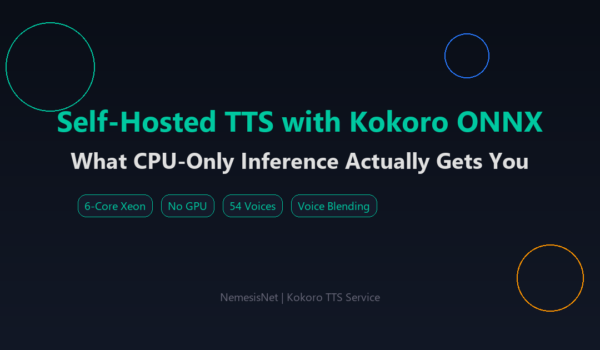
Building a smart-home TTS stack on hardware you already own — no GPU, no cloud API, no bill. We wanted text-to-speech for automation triggers that runs locally, on existing CPU hardware, without sending every doorbell announcement through a third-party API. So we built a FastAPI service around Kokoro ONNX with voice blending, dialogue scripting, and […]

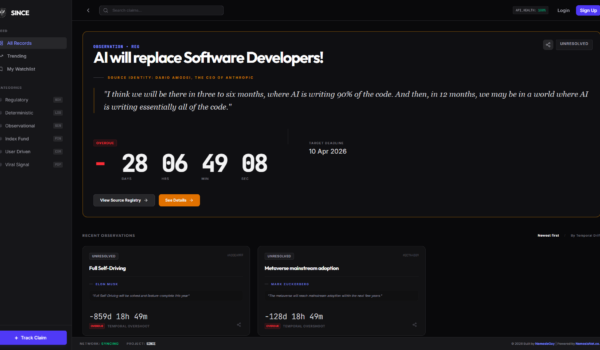
Building Since: A Self-Hosted Claim Tracker with PocketBase, React, and Express

since homepage screenshot

Every prediction someone makes online deserves accountability. We built Since — a self-hosted temporal claim tracker — to register predictions, record past events, attach evidence, open disputes, and verify outcomes over time. The stack is deliberately lightweight: React 19, PocketBase, Express.js, and Docker. Here’s why we chose each piece, what surprised us, and what we’d […]

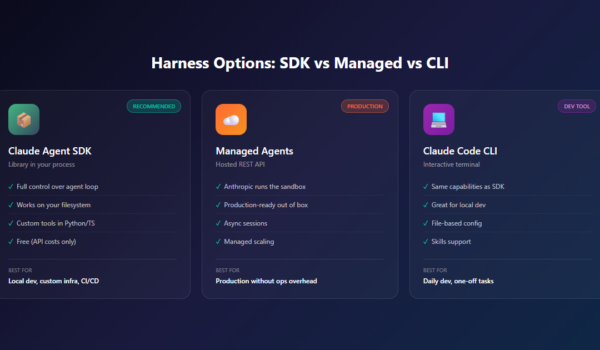
Agent Harness Explained: The Runtime That Makes AI Agents Actually Work

Every agent architecture article talks about LLMs, tools, and skills. Nobody talks about the thing that actually makes them work: the harness. It’s the runtime that takes your prompt, decides what tools to call, manages context, handles errors, and returns a result. Without it, you have components. With it, you have an agent. This is […]

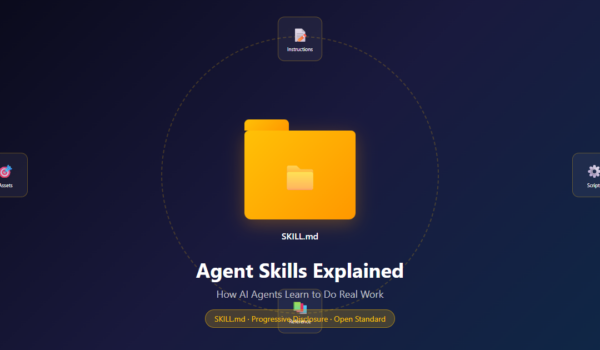
Agent Skills Explained: How AI Agents Learn to Do Real Work

Most AI agents today are still just chatbots with a tool call bolted on. They can chat, but they can’t reliably do specialised work. The ones that ship real value — document editing, brand compliance, data analysis, deployment — have something the others don’t: Skills. Agent Skills are an open standard from Anthropic for packaging […]

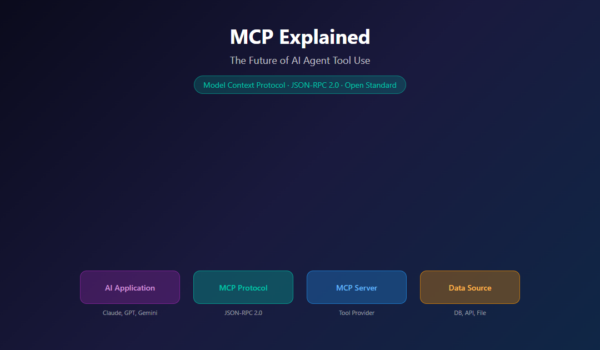
MCP Explained: The Open Standard That Makes AI Agents Actually Useful

AI models are powerful, but they’re stuck in a box. They can reason about text, generate code, analyse data — but they can’t click buttons, query databases, or publish content without help. Every team solving this problem was building the same integration over and over: custom glue code, per-model adapters, brittle workflows. Model Context Protocol […]

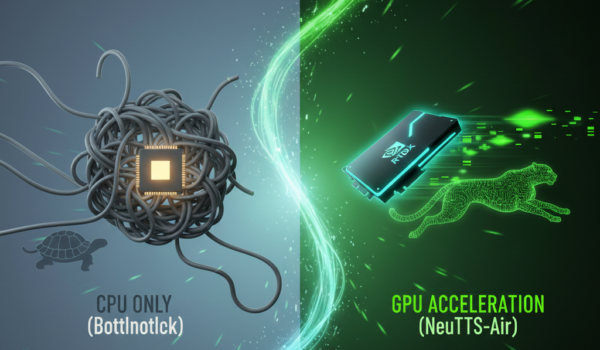
Bringing GPU Support to NeuTTS-Air — A Dev Diary

Bringing GPU Support to NeuTTS-Air — A Dev Diary This is the long one: the full post‑mortem, the war stories, the trade‑offs, the CLI commands, and the benchmarks. Read this if you want to know what actually happened when we added ONNX GPU support and a benchmarking suite to NeuTTS‑Air. TL;DR We added auto device […]

VoxNemesis Supertonic: Building a Local-First, GPU-Aware TTS Browser Extension

voxnemesis-supertonic-extension

The Build Log: Wrestling Chrome into a Local-First TTS Engine (v0.2.0) Version 0.2.0 is live. But a changelog doesn’t tell you the pain it took to get here. This is the story of how we fought Manifest V3, race conditions, and GPU drivers to build a local-first TTS extension that actually works. When we started […]

Maximizing Personal Productivity with AI Tools

AI has moved from sci-fi fantasy to an everyday productivity tool. Whether you’re a developer, content creator, or business professional, the right AI integrations can save hours weekly, reduce mental load, and let you focus on high-value work. Here’s how to make it happen — with tools and workflows you can start using today. Updated: […]

VibeType: Building a Local-First Voice Coding Companion

Hands-Free, Privacy-First Dev Tooling VibeType: Building a Local-First Voice Coding Companion VibeType is a Windows-focused desktop assistant that keeps every syllable on-device while translating your voice into code, commands, and realtime status updates. Below is the full story—how it works, why privacy matters, and what comes next. Origin Story: From Dictation Fatigue to Flow State […]